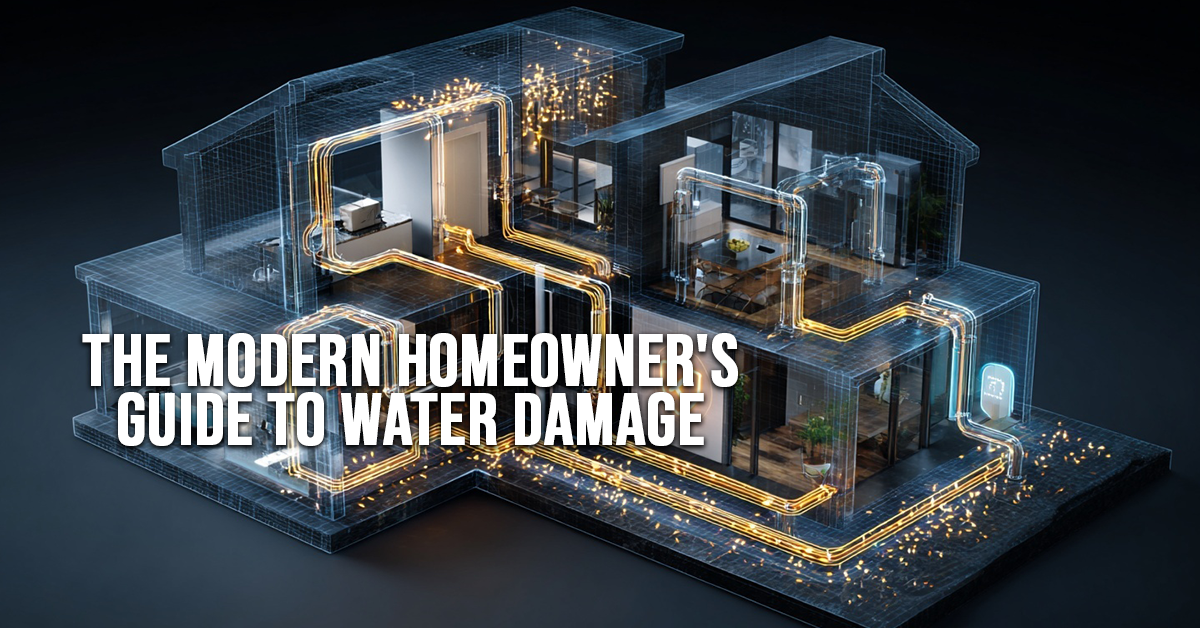
The Modern Homeowner’s Guide to Water Damage: The Hidden Risk of 2026
As we move into the final months of 2025, there’s a new and often overlooked threat lurking in our homes: water damage. It’s no longer just a minor inconvenience caused by a leaky faucet. Water damage has quietly surpassed fire and theft to become the number one cause of home insurance claims in the U.S., with the average claim costing thousands of dollars. The rise of this risk is tied to several factors, from aging infrastructure to the increasing complexity of our homes. As a homeowner, understanding this new landscape is key to protecting your property and your wallet as we head into 2026.
One of the main culprits is aging residential infrastructure. Many homes built in the mid-to-late 20th century have piping that is reaching or exceeding its lifespan. A slow, undetected leak from a pipe behind a wall can go unnoticed for weeks or months, causing extensive and costly damage from mold, rotted wood, and structural decay. These types of claims are often complex and expensive, leading to higher premiums and even policy cancellations for repeat offenders. The solution isn’t always to replace every pipe, but to be vigilant and aware of the signs of a problem.
Furthermore, the rise of more complex home appliances and systems adds another layer of risk. Smart refrigerators, high-tech washing machines, and even modern dishwashers are all potential sources of water damage. A single malfunction can lead to a significant leak and a costly insurance claim. While these appliances offer convenience, their complexity means that a simple repair is often not an option, leading to full replacements and higher costs.
However, technology is also part of the solution. The rise of smart home water sensors and leak detectors is changing the game. These small, affordable devices can be placed in high-risk areas like under sinks, near water heaters, or in the basement. They use Wi-Fi to send an alert to your phone the moment they detect moisture, giving you a chance to address the problem before it becomes a catastrophe. Many insurance companies are now offering significant discounts for homeowners who install these devices, viewing them as a powerful tool for risk mitigation.
As you prepare for 2026, take a proactive approach to protecting your home from water damage. Walk through your home and look for any signs of leaks or moisture. Consider installing smart sensors in key areas. Review your policy’s coverage for water damage, and ask your agent about any endorsements that might be available. Understand your deductible and whether it makes sense to file a claim for a small repair. In a world where water damage is a growing threat, a little vigilance and the right technology can save you thousands of dollars and countless headaches.